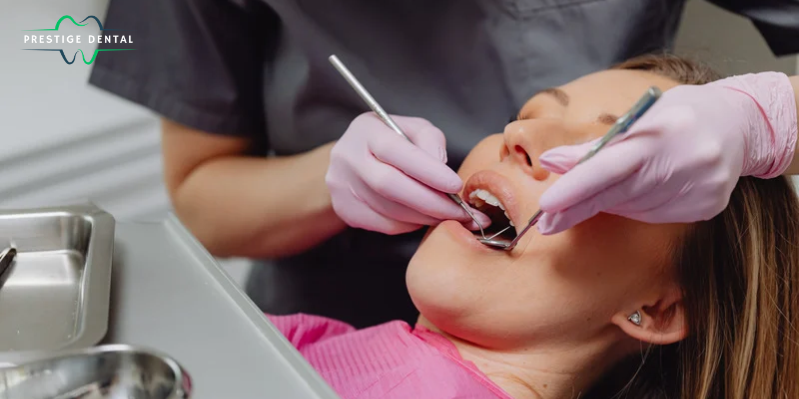
Toothache is sudden and you are worried about pain as well as unexpected expenses. Before you book you might want to know how much the examination will cost, whether X-rays are included and how much treatment could add to your bill.
Knowing the emergency dental visit cost in Fort Worth begins with distinguishing between assessment and treatment. The examination defines the problem. The findings dictate which procedures are appropriate. If you need to make decisions about your care, first ask for clear explanations.
How Much Does a Dental Emergency Cost?
There is no single price for all dental emergencies. Your total will depend on the exam, any imaging that is needed, any recommended treatment and any follow-up care. Then call the office about the first charges. After you are diagnosed, ask for a written estimate of treatment.
Just be sure you know what’s on it instead of assuming it’s your whole bill. Ask about any unclear charges for treatment.
When to Seek Immediate Medical Attention?
You need emergency medical care if you have Difficulty breathing or swallowing, severe swelling of the face or neck, or uncontrolled bleeding. For life-threatening emergencies, call 911. Don’t put off comparing dental fees for urgent care.
If you have a toothache, a broken tooth or a lost restoration, contact a dentist promptly for these warning signs. Tell the team what your symptoms are, when they started and if they are getting worse. This helps the team guide you on assessment.
What Increases Your Emergency Dental Bill?
X-Rays and Examination
A focused examination enables the dentist to assess your concern. Imaging may be required to evaluate damage or other issues not apparent during the exam.
If you are asking about emergency dental exam cost, ask if suggested X-rays are included. Additional images may incur separate charges as per billing arrangements with your office.
Treatment Type
A filling repair, extraction and treatment for an infected tooth are different procedures. Your dentist should explain the diagnosis, options available and costs expected.
Ask whether the suggested procedure is a permanent fix or a temporary stabilization. Temporary solutions might need another appointment and payment for permanent treatment.
More appointments and comfort features
Your estimate should include any planned follow-up visits, final restorations or specialist referrals. Ask about any extra charges for suggested sedation or other comfort measures.
And is the time of appointment affecting charges too. Be careful not to assume an urgent appointment will cover all the services you might need.
Questions to ask before you start treatment
A good estimate should give you a sense of immediate costs and potential future costs. Query:
The initial examination fee includes:
- Are the necessary X-rays included or are they billed separately?
- What treatment is recommended and why?
- Is this a temporary fix or a permanent fix?
- Will a crown or other restoration be extra?
- What follow-up appointments will I have?
- “Will the specialist charge me extra for the care?
These questions let you compare estimates that have similar treatment included, instead of just comparing examination fees.
Payment & Insurance Choices
Coverage will depend on your policy and the services recommended. If possible, ask about your deductible, remaining benefits, exclusions, and what you will owe before treatment.
An estimate of benefits does not guarantee payment. Confirm what is covered at your visit and if later treatment will be billed separately.
If you don’t have insurance, please mention this when booking. Inquire about fees and payment arrangements. If financing is available, check the eligibility requirements, interest and any other charges before you agree.
Please bring your identification, insurance information and a list of your current medications to your appointment. Please inform the team of any allergies, medical conditions or any recent dental injuries or procedures.
How Different Dental Problems Impact Treatment
Cracked or fractured teeth
The repair depends upon the location and depth of fracture. Ask if the tooth will require a filling, crown or other procedure, and if the estimate includes the final restoration.
If the dentist recommends temporary stabilization, find out what the next steps are.
Toothache or possible infection
Pain alone is not diagnostic. Your dentist will have to examine the tooth and surrounding tissue before recommending the proper treatment.
Antibiotics alone may not address the underlying cause of a toothache. Ask what treatment will solve the problem and whether additional visits will be necessary.
Lost Fillings / Crowns
When was the restoration done? Does the tooth hurt? Let the office know. Ask if you should bring the lost crown to your appointment.
The exam determines whether the restoration can be reused or needs to be replaced. Instead of assuming that a minor repair will be sufficient, request an estimate based on those findings.
Comparing Estimates Without Missing Important Costs
Different offices may quote different amounts because their estimates cover different services. Before comparing totals, make sure both have the exam, imaging, immediate procedure and any final restoration needed.
For example, you can’t compare a quote that includes a permanent crown with a quote for a temporary fix. Have each office explain the purpose of each proposed service and discuss any remaining treatment stages
If your treatment plan changes after further assessment, ask for an updated estimate. This gives you an opportunity to understand why the change was made and discuss what options may be available before moving forward when your condition allows it.
When Tooth Extraction Is Necessary
Ask why it is recommended to remove the tooth and if saving the tooth is a reasonable option. The dentist might discuss the findings, the possible benefits, and the limitations of suitable treatments.
Ensure the extraction estimate includes planned comfort measures and review appointments. If you will be referred to another clinician for part of your care, ask about the referral process and separate billing.
And we have to talk about another treatment for a missing tooth. Ask for a separate estimate of replacement options so you can see how the immediate emergency expenses compare with future restorative costs.
Getting Ready for Your Visit
When you call, tell them what area hurts, when symptoms started, if you have swelling, fever, bleeding or a recent injury.
Emergency Dental Appointment Booking
If you have questions about emergency dental visit cost in Fort Worth, call Prestige Dental. Before you travel, describe your symptoms, confirm availability and ask about assessment charges.
Call or text (817) 259-0671 or go to our emergency dental care page to book an appointment and talk about what to do next.
Frequently Asked Questions
Q1. Is an Emergency Examination considered a treatment?
No. An emergency exam finds the problem, and treatment is based on that diagnosis.
Ask what the examination fee covers and if you will be charged separately for treatment.
Q2. Will I Get a Cost Over the Phone?
You can ask what the exam will cost, but a full estimate usually requires an evaluation and any X-rays needed.
Let the team know how you are feeling so they can tell you what to do next.
Q3. Is X-Ray Included in the Price of an Emergency Visit?
X-rays may be included in or billed separately from the office’s fee arrangements.
Ask before the appointment what the emergency visit fee covers.
Q4. Will Prestige Dental See Me Same Day?
Prestige Dental may offer same-day emergency appointments, call or text to confirm.
The timing of your treatment depends on your diagnosis and the care you need.
Q5. Do antibiotics treat toothache?
Antibiotics may not be enough to treat a toothache as the tooth may require dental treatment for the underlying problem.
Your dentist will determine if you need medication and will recommend the right care for you.
Latest Post
- Emergency Dental Visit Cost in Fort Worth
- Dental Implant Cost in Fort Worth: What Should Your Estimate Include?
- Root Canal vs Extraction: Which Option Is Right for Your Tooth?
- Bleeding Gums? Gum Disease Treatment in Fort Worth
- 7 Signs You May Need a Root Canal in Fort Worth
- Teeth Whitening Fort Worth: Get a Brighter, More Confident Smile